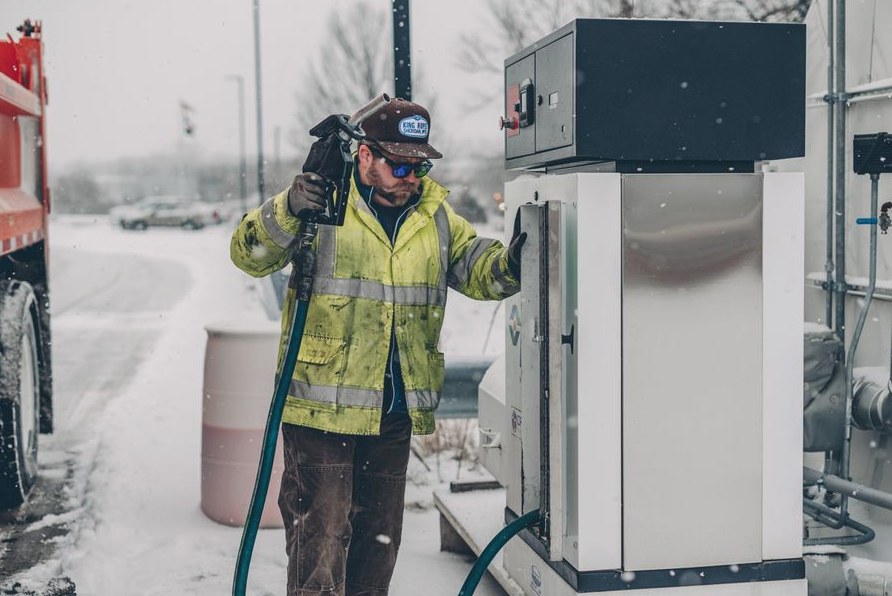
What pumping does inside the tank
A septic tank is a settling chamber. Heavy solids drop to the bottom as sludge, fats and soaps float up as scum, and the clearer liquid in between flows out to the drain field. Over time the sludge gets deeper and the scum gets thicker, and both crowd out the working space in the tank.
So we don't just pull liquid. We break up the scum layer and mix the settled sludge back into the liquid so the tank contents can be removed together. If we only drew off the liquid, the thick material on the bottom would stay behind and the tank would not really be emptied.
What affects setup and time on site
Most of the time on a job goes to getting to the tank, not to the pumping. If the cover is at or below grade and there are no risers, we dig down to it before anything else. A very full tank with a thick, packed sludge layer takes longer to break up before the pump can move it. Tight access around landscaping also slows us down, because we take care not to tear it up.
Weather and ground matter here too. Rain peaks in May and June, with May the wettest month at about 4.2 inches, and soft ground makes it harder to position the truck without leaving ruts. The dominant soil in Elkhart is Mishawaka sandy loam, which drains fast, so most yards firm up quickly. Low spots with poorly drained soil can stay soft well after the rain stops. Near the St. Joseph and Elkhart Rivers and their tributaries, groundwater conditions vary more from one yard to the next, so we look at the site before we set up. If the truck can't reach the tank with the standard hose, we talk through the options with you on the spot.
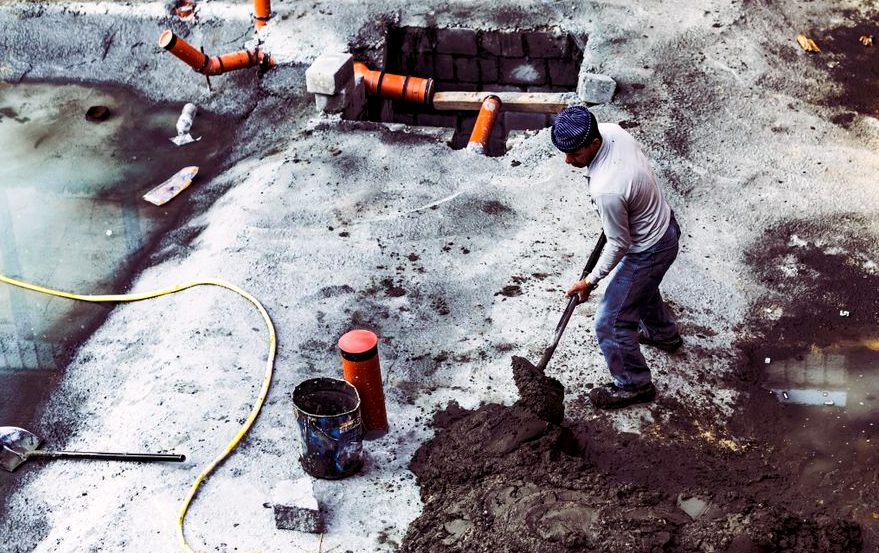
Winter pumping and riser covers
In a cold climate we think before we pump in winter. Routine winter pumping is generally discouraged, so we first assess whether the job needs to happen now. Emergencies, like a backup, and limited-use properties are the usual exceptions. If the tank can wait for milder weather, we will tell you so.
What we do recommend before the cold sets in is sealing and insulating the risers, inspection pipes and manhole covers to limit cold air getting into the tank. An insulated riser cover is the simple fix for a lid that sits at grade.
What we check while the tank is open
With the tank empty, we can see parts of the system you normally can't. We look at the inlet and outlet baffles or tees, which direct flow and keep the scum layer from leaving with the effluent. A missing, rotted or loose baffle sends solids straight to the drain field, and pumping will not fix that. We also check the tank walls for cracks and the lid for damage.
The median home in Elkhart was built in 1967, so plenty of tanks here have decades on their baffles and lids. When we find a problem, we can usually quote the repair on the same visit. Lid repair typically runs $150 to $500, and baffle repair typically runs $300 to $900.
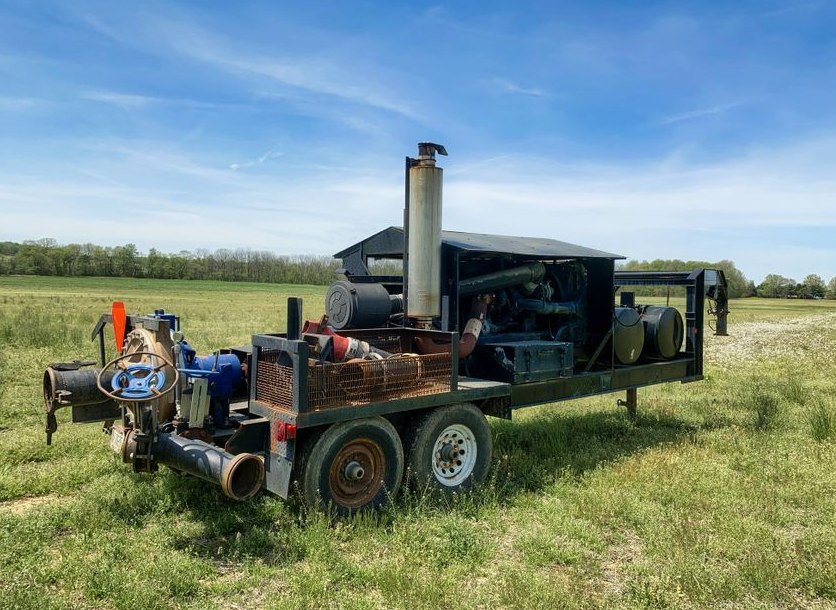
What It Typically Costs
These ranges are here to help you budget, and the price for yours gets written down before work begins.
$250–$1000
$350–$600
Also Available
Straight Answers
Give us a ring at (574) 564-8029, no obligation.
Updated October 2026