When insulation is the right call
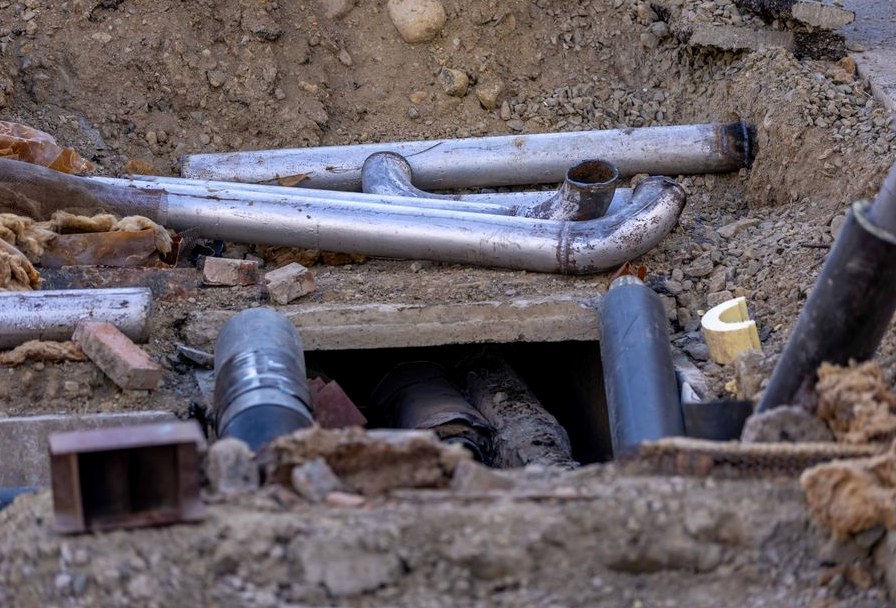
We start with how deep the tank sits and where the external piping runs. Shallow tanks and pipe that travels close to the surface are the parts most exposed to frost, so they are what we look at first. A past freeze is the strongest signal. If you have called someone in January because the tank would not drain or the line from the house iced up, insulating the tank and shallow pipe goes after the cause instead of thawing the same spot every winter.
If your property is near the St. Joseph or Elkhart Rivers, we also factor in flood exposure. Elkhart County was hit hard by the 2018 flooding, and equipment near the rivers can end up under water. That is one reason we use only burial-rated foam and never absorbent batting.
The material we use
For covering a tank we use burial-rated Styrofoam, 1 to 3 inches thick. For the tank and for external pipe we also use rigid 2-inch foam board. Both are made for soil contact.
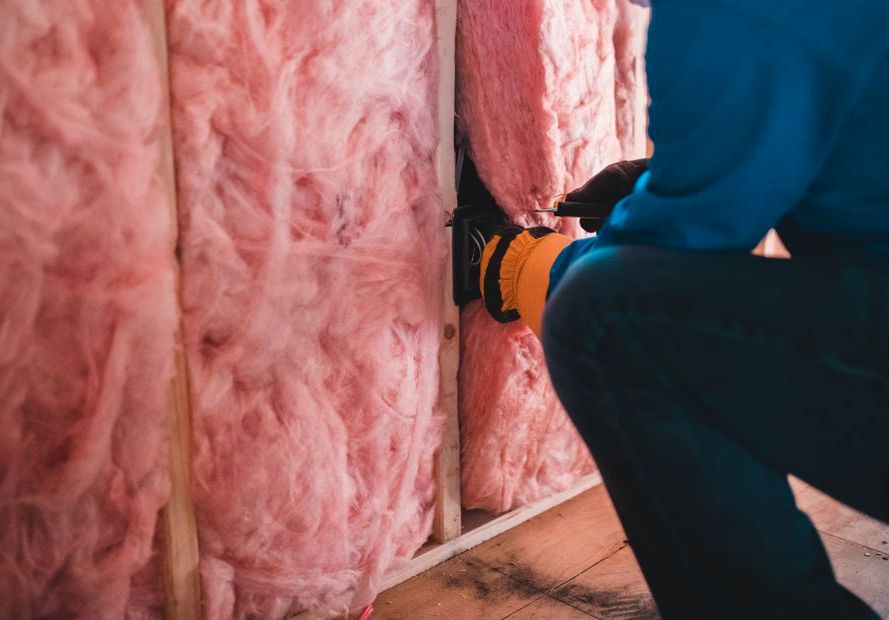
We do not use indoor insulation on shallow external pipe, and we do not use absorbent insulation batting. Batting soaks up groundwater and stops insulating, and indoor products are not made to sit in the ground.
How we install it
We expose the top of the tank and any external pipe that needs coverage, digging carefully so we do not damage either one. Once we can see the layout, we measure the tank and the length of shallow pipe and cut the rigid board to fit.
Where the detail calls for foam board above a pipe, we set the board 6 inches above the pipe and keep a 6-inch buffer. The board does not lie directly on the pipe. After the foam is placed we backfill the excavation and restore the surface.
Permits and county rules
Elkhart County requires a Health Department permit before any new septic tank, dosing chamber, treatment unit or absorption field is installed, and a soil boring from a registered soil scientist has to be submitted before a system permit is considered. If your insulation job comes with new or replaced components, the permit comes first and we schedule around it.
What it costs and what moves the price
The foam is the part with a published price. One 2-inch, 4-by-8-foot rigid foam board runs $40 to $63 at retail, material only. The board count follows the footprint of the tank and the length of external pipe we have to cover, and a deep dig or a long pipe run adds labor on top of that.
On the call we quote a typical range, then set the exact number after we have seen the tank and the pipe route.
Timing and what to expect
The best time to do this is in fall or early winter, before the ground freezes. Digging is easier and the yard takes less of a beating.
Once the foam is down, you will not notice any change from inside the house. We leave you with a clear idea of where the foam sits, so you know to be careful with landscaping or construction over the tank area later.
Start to Finish
On a typical job, the specifics look like this:
- Check that risers, inspection pipes, and manholes have tight-fitting covers, and add insulation within access lids where appropriate.
- For shallow external piping, use insulation rated for soil burial rather than indoor insulation or absorbent insulation batting.
Also Available
Straightforward Pricing
You can explain it on a quick call, and you decide what happens next.