Sewage backing up in winter
What's behind it: A frozen pipe or treatment area can block wastewater flow and cause sewage to back up.
What we check first: Determine which system component is frozen before selecting a remedy.
Nothing starts until you've read the scope and agreed to it. Free Estimates, no pressure.
Fast Scheduling
Pick up the phone and run it by us, and you decide what happens next.
No obligation
Call (574) 564-8029What happens next
Below is how a visit runs, what the county requires before new septic components go in, and how we keep repair recommendations in proportion to the house.
Not sure what it's called? Start with the closest match.
When a system has frozen, we find where it froze and work out why before we choose a thaw or repair method. Thawing the wrong stretch of pipe leaves the real problem in place, so the diagnosis comes first.
We also check the pipe from the house to the tank for leaks, sags and low spots, and we confirm it has enough slope toward the tank. A pipe that sags holds water and waste. If we find one, you hear it from us the day we're there, along with what it would take to fix.
Pricing follows what we find at your tank. Anything at the tank that widens the job gets explained to you before any extra work starts.
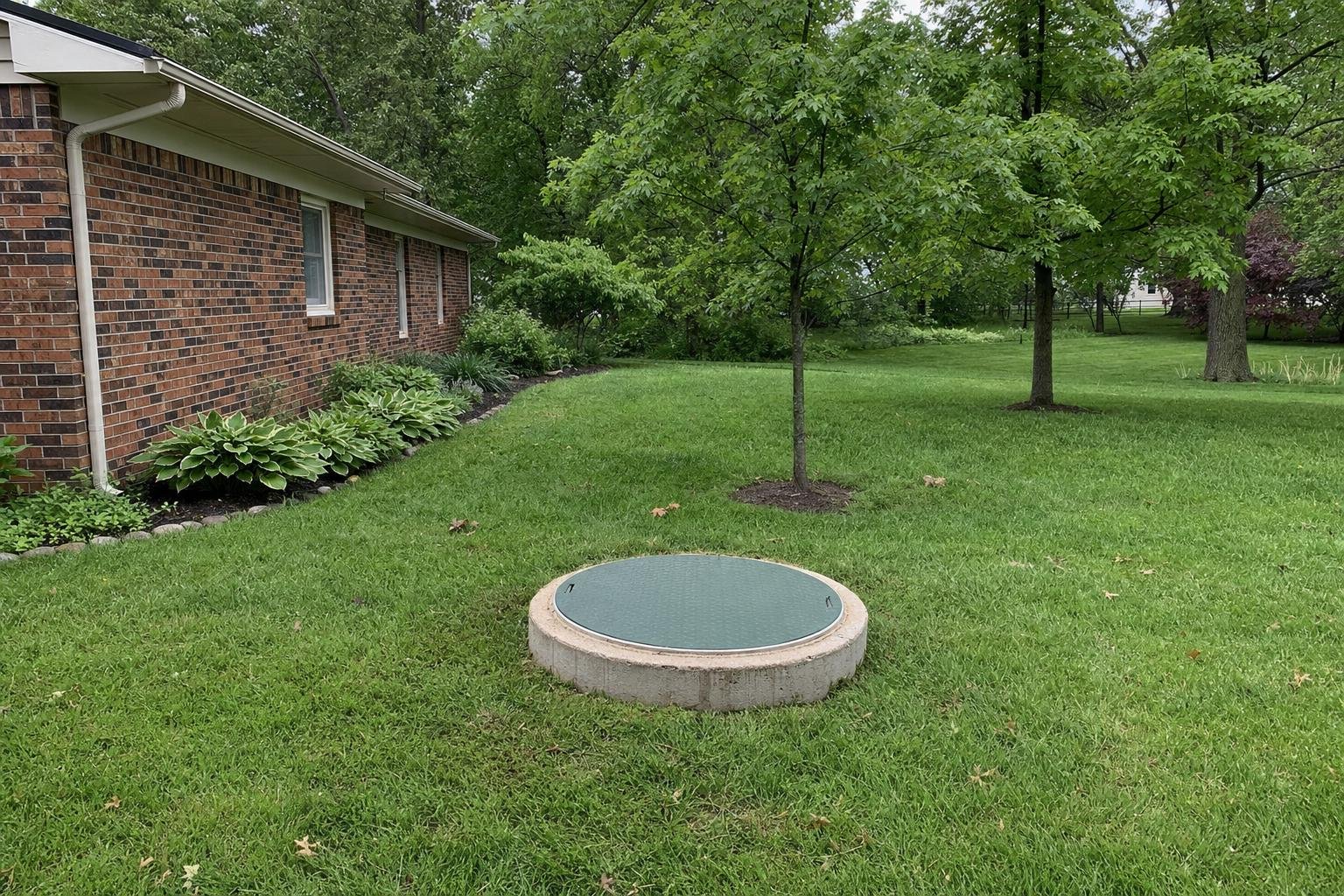
If your tank is coming due, book the pump-out while the ground can still be dug. Once the soil freezes, a buried lid means breaking frozen ground. Purdue Extension's septic guide makes a similar point about finding buried parts: a few hours' job on a summer day is a different matter at 10 below with two feet of snow. If the tank isn't due and nothing is wrong, the winter pumping page explains when it can wait.
Is it due? The EPA puts typical household pumping at every three to five years, with an inspection at least every three years. Purdue Extension gives the same range and notes that a garbage disposal adds about 50 percent more solids. A measurement settles it: ask for the sludge and scum depths in writing each time the tank is opened, and keep that record.
Don't swing too far the other way. Purdue Extension advises against pumping while the water table is high or the yard is flooded, because an empty tank is buoyant and can float out of the ground.
Before the first hard freeze:
Residential septic systems here are permitted and inspected by the Elkhart County Health Department, under Indiana's residential rule (410 IAC 6-8.3) and county ordinance 2012-153.
The full guide covers permits, record lookups, setbacks for pools and sheds, and what to check before buying a home: Elkhart County Septic Rules for Homeowners and Buyers.
Sources: EPA septic care · EPA SepticSmart top 10 · Purdue HENV-107-W · Purdue HENV-10-W · Elkhart County Health Department · IDEM septage
Slow drains, backups or a yard that stays wet are the signs we hear about most from frozen systems. We locate the freeze, identify the cause, and then choose between thawing and repair. If the cause turns out to be a failed component that needs replacing, the permit steps above apply, and we'll walk you through them.
What's typically behind each of these, and how we confirm it.
What's behind it: A frozen pipe or treatment area can block wastewater flow and cause sewage to back up.
What we check first: Determine which system component is frozen before selecting a remedy.
What's behind it: Uncovered, broken, or uninsulated access points can let cold air into the system.
What we check first: Inspect risers, inspection pipes, and manhole covers for gaps or damage.
What's behind it: Freezing can damage system components, including tank baffles.
What we check first: Inspect the baffles after the system has frozen and thawed.
What's behind it: A frozen system can be associated with water constantly running in the pump tank.
What we check first: Inspect pump floats and verify whether the pump turns on, pumps effluent, and turns off correctly.
These ranges are a starting point for planning, and the details of your job set the actual number.
$150–$475
$250–$375
$95–$200
Here is the order things happen in once you get in touch.
A few minutes on the phone is enough to tell us what the job is and what to look at first.
Someone comes out to look at the work, then walk you through what we find.
We put the work, the timeline, and the number on paper before you agree to anything.
We finish the job and walk it with you, and we walk you through what was done.
We cover Elkhart, IN, and whether you're in Mishawaka, Goshen, or right in Elkhart, the process is the same. Call (574) 564-8029 to confirm coverage for your address.
7 communities served.
There's no single right answer; it depends on the job.
No obligation
Call (574) 564-8029What happens next
A quick call is a fine place to start, with no sales pitch.